How Often Should I groom my Doodle?
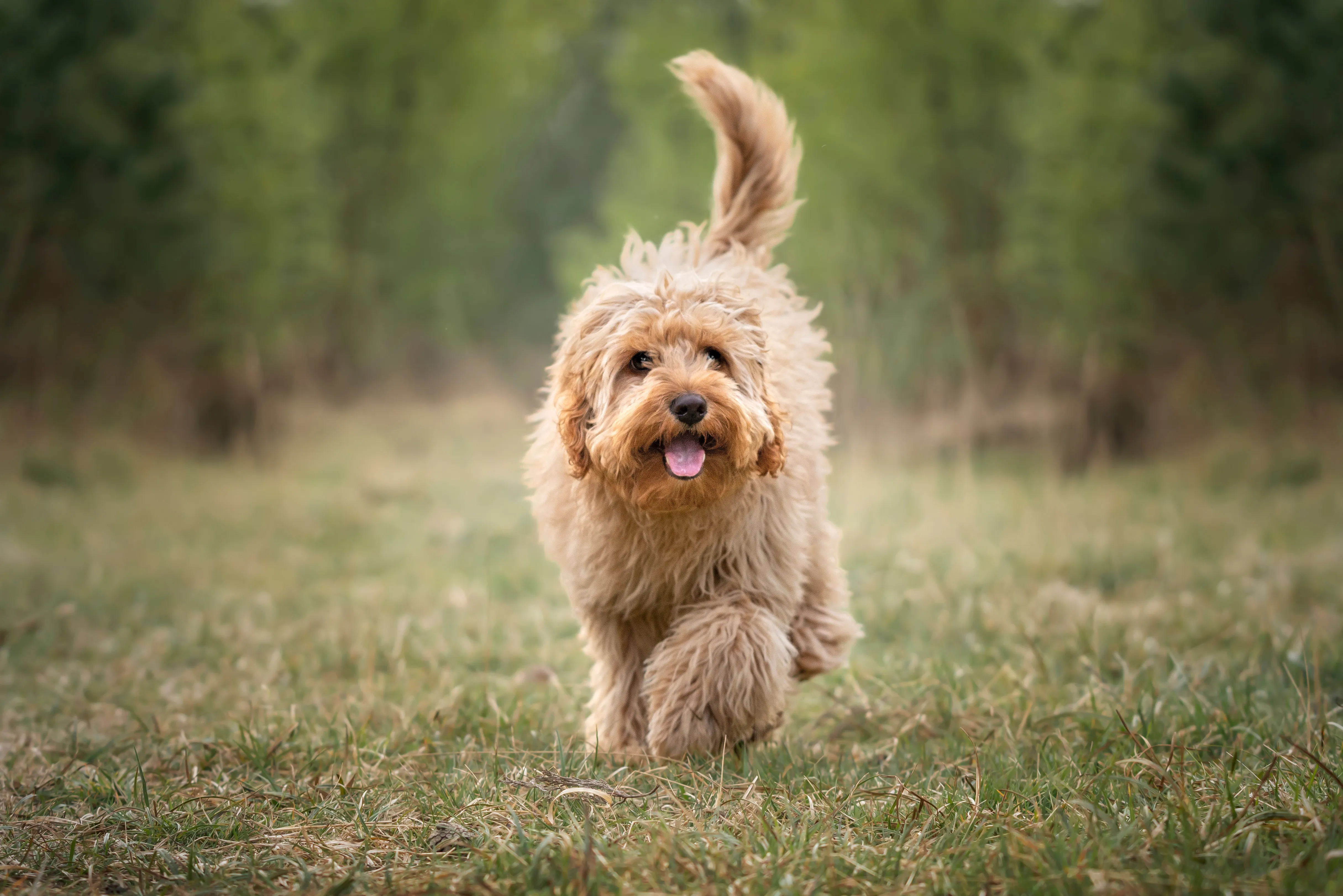
How Often Should I Groom My Doodle?
If you share your life with a Goldendoodle, Labradoodle, or any of their curly-coated cousins, you've probably asked yourself this question while picking burrs out of their ears for the third time this week: how often should I groom my doodle? The honest answer is more often than most dog owners expect, and the exact frequency depends on your dog's specific coat type, your lifestyle, and even the season.
As Charleston's dedicated doodle specialist, I've groomed more wavy, curly, and everything-in-between coats than I can count. Doodle coats are wonderful, but they're also demanding in ways that surprise a lot of new owners. This guide breaks down exactly how often your doodle needs professional grooming and at-home maintenance, so you can keep their coat healthy, mat-free, and comfortable year-round.
Why Doodle Coats Are Different
A doodle is, by definition, a cross between two coat types; typically a Poodle's dense, curly coat and a retriever or spaniel's straighter, water-resistant coat. That genetic mix means your dog's fur doesn't behave like either parent breed on its own. It often grows continuously (like a Poodle's), but with a looser curl or wave pattern that traps loose undercoat instead of shedding it out naturally.
The result is a coat that mats from the inside out. By the time you spot a tangle on the surface, there's often a dense mat sitting against the skin that's been building for weeks. This is exactly why generic grooming advice for "curly dogs" or "shedding dogs" doesn't really apply here — doodle coats need specialist knowledge to manage properly, which is a big part of why doodle-specific grooming has become its own category. Understanding how often to groom your doodle starts with understanding which coat variation you actually have.
Grooming Frequency by Coat Type
Not all doodle coats are created equal. Here's how the two most common types differ:
Wavy coats (often seen in F1 Goldendoodles and Labradoodles) have a looser curl pattern and a softer texture. They mat less aggressively than tight curls but still need regular attention, especially around the ears, armpits, and collar area where friction is highest.
Curly coats (more common in F1B and multigen doodles with more Poodle influence) are denser and curl more tightly. These coats mat faster and more thoroughly because the tight curls lock loose hair against the skin instead of letting it fall away.
If you're not sure which type your dog has, that's normal — and it's exactly the kind of assessment a doodle grooming specialist does at every appointment, adjusting technique and timing based on what your dog's coat is actually doing, not just their breed name.
A Simple Doodle Grooming Schedule
Here's a straightforward calendar to work from. Think of this as your baseline, then adjust based on your dog's activity level and the season.
| Coat Type | Professional Groom Frequency | Brush-at-Home Frequency | Seasonal Notes |
|---|---|---|---|
| Wavy | Every 6–8 weeks | 2–3 times per week | Increase to weekly brushing in summer humidity |
| Curly | Every 4–6 weeks | 3–4 times per week (ideally daily) | Increase professional visits to every 4 weeks June–September |
| Outdoor-active (either type) | Every 4–6 weeks | Daily, with a post-outing check | Check for burrs, sand, and salt after every outdoor adventure |
| Indoor/low-activity (either type) | Every 6–8 weeks | 2–3 times per week | Still needs consistent care — low activity doesn't mean low maintenance |
A few notes on how to read this table: an outdoor-active doodle who swims, hikes, or plays hard needs more frequent professional grooms regardless of coat type, because moisture and debris accelerate matting. A more low-key, indoor-oriented dog can often stretch toward the longer end of the range, but "longer" still means weeks, not months.
Seasonal Adjustments for Charleston's Climate
Charleston's humidity changes the math. From late spring through early fall, the combination of heat and moisture causes doodle coats to mat noticeably faster than they would in a drier climate. Humidity swells the hair shaft and encourages the kind of tight, close-to-the-skin tangling that's hardest to brush out at home.
If your dog spends time at the beach, on the water, or just out in Charleston's thick summer air, plan on tightening your grooming frequency by about two weeks during peak season. A curly-coated doodle who normally does well on a 6-week schedule may need to shift to 4 weeks from June through September. Salt water and sand are also notorious for hiding in doodle coats and creating friction mats near the legs and belly, so a quick rinse and brush after beach trips goes a long way between professional visits.
Winter in Charleston is mild, but it's not maintenance-free either. Drier indoor heat can make coats brittle and more prone to breakage, so this is a good season to make sure brushing includes the skin and undercoat, not just the surface layer.
Signs Your Doodle Is Overdue for a Groom
Even with a solid schedule, it helps to know what to watch for between appointments:
- You can't easily run a brush or your fingers all the way down to the skin in multiple spots
- Matting behind the ears, in the armpits, or around the collar area
- Your dog seems uncomfortable being touched in certain spots, which often means a mat is pulling at the skin
- A noticeable "wet dog" smell even when your dog is dry
- Coat looks dull, feels coarse, or seems to be tangling faster than usual
- It's been more than 8 weeks since the last professional groom, regardless of how the coat looks on the surface
If you're noticing any of these signs, it's time to book a Full Groom service rather than waiting for the next scheduled visit. Mats that are caught early are far easier — and far more comfortable for your dog — to manage than mats that have had weeks to set in.
Doodle coats reward consistency. A dog on a well-matched schedule, brushed at home between visits, almost never experiences the kind of severe matting that leads to an uncomfortable shave-down. If you have more questions about your specific dog's coat or timing, our FAQ covers many of the details owners ask about most.
Every doodle is a little different, and figuring out how often to groom your doodle really does come down to their individual coat, lifestyle, and the Charleston calendar. As a dedicated Doodle Grooming Specialist, I build a schedule around your dog specifically, in the comfort of your own driveway, with no crates and no waiting room stress.
Ready to Build Your Doodle's Grooming Schedule?
If you're ready to stop guessing and get a grooming rhythm that actually works for your doodle's coat, I'd love to meet your dog. Book an appointment and we'll figure out the right schedule together, right from your driveway.
Frequently Asked Questions
What are the benefits of regular grooming for my doodle?
Regular grooming for your doodle is pivotal in maintaining their coat's health and overall well-being. It helps to prevent matting, which can pull at the skin and cause discomfort or pain. Routine grooming also promotes skin health by stimulating circulation and distributing natural oils. Furthermore, it allows for early detection of skin issues, parasites, or infections. Regular professional grooming sessions will help keep your doodle looking and feeling their best, making it a crucial part of responsible pet ownership.
How can I determine the best grooming routine for my doodle?
Determining the best grooming routine for your doodle begins with understanding their unique coat type and personal lifestyle. Start by assessing whether your doodle has a wavy or curly coat, as grooming needs vary significantly between these types. Next, consider factors like their activity level, the seasons, and your local climate. Regularly check for matting and adjust grooming frequency as required. Consulting a professional grooming specialist familiar with doodle coats can offer personalized advice tailored to your dog's needs.
What tools do I need for at-home grooming?
At-home grooming for your doodle requires a few essential tools to keep their coat in top condition. A slicker brush is highly effective for detangling and removing loose fur, especially for curly coats. A comb with both wide and fine teeth is also beneficial for checking for mats and evenly distributing fur. Additionally, consider using dog-specific shampoo and conditioner that suits your doodle's coat type. Regular nail clippers and ear cleaning supplies can also aid in comprehensive grooming care.
How do I prevent matting between grooming sessions?
Preventing matting between grooming sessions involves consistent at-home maintenance. Regular brushing is critical; for wavy coats, brush 2-3 times a week, while curly coats may benefit from daily brushing. Focus on high-friction areas like behind the ears and under the armpits during your grooming routine. After outdoor activities, it's important to check for tangles or debris, and promptly address any knots. Maintaining a clean and hydrated coat helps prevent mats from forming and makes grooming less burdensome.
What should I do if my doodle has severe matting?
If your doodle has developed severe matting, it's best to consult with a professional groomer. Attempting to remove mats yourself can be painful for the dog and may cause skin injuries. A groomer can carefully detangle or, in some cases, safely shave the matting down, ensuring the dog's comfort and safety. Regular preventative care is crucial; once the mats are removed, create a consistent grooming schedule to avoid future incidents and maintain the coat's health.
Are there specific grooming tips for seasonal changes?
Yes, seasonal changes can significantly affect your doodle's grooming needs. In humid climates, like Charleston's, moisture can lead to faster matting, necessitating increased grooming frequency, especially during summer months. Conversely, in winter, indoor heating can dry out their coat, leading to brittleness. Adjust your grooming schedule accordingly—consider more frequent professional appointments in humid weather and ensure regular brushing to keep the coat healthy. Recognizing these changes will help you better manage your doodle's grooming throughout the year.